
Field-tested
We pack it, pitch it and sleep in it first.
Wutong Ridge started with a spreadsheet: every piece of gear we carried, its real weight on a kitchen scale, and the coldest night it got us through. The numbers on the box rarely matched.
So every product page here shows the weight, the packed size and the nights it is built for, in the same order, with °F and °C.

From the trip log
-
Spring trip
Lakeside car campsite
2 nights · low 38°F (3°C)
Cabin tent, two air beds, a table for the stove. Weight did not matter; the rain fly did.
-
Early summer
Ridge loop, 14 miles
1 night · low 44°F (7°C)
Under 1.5 kg of shelter. The pad mattered more than the bag on cold granite.
-
Fall trip
Alpine lake, above the tree line
2 nights · low 27°F (−3°C)
A 20°F bag at its Comfort rating, not its Limit. Frost on the fly by morning.
Example entries. Replace them with your own trips.
How we work
Three rules for every piece.
Trail weight and packed size on every page, so you only carry what the trip needs.
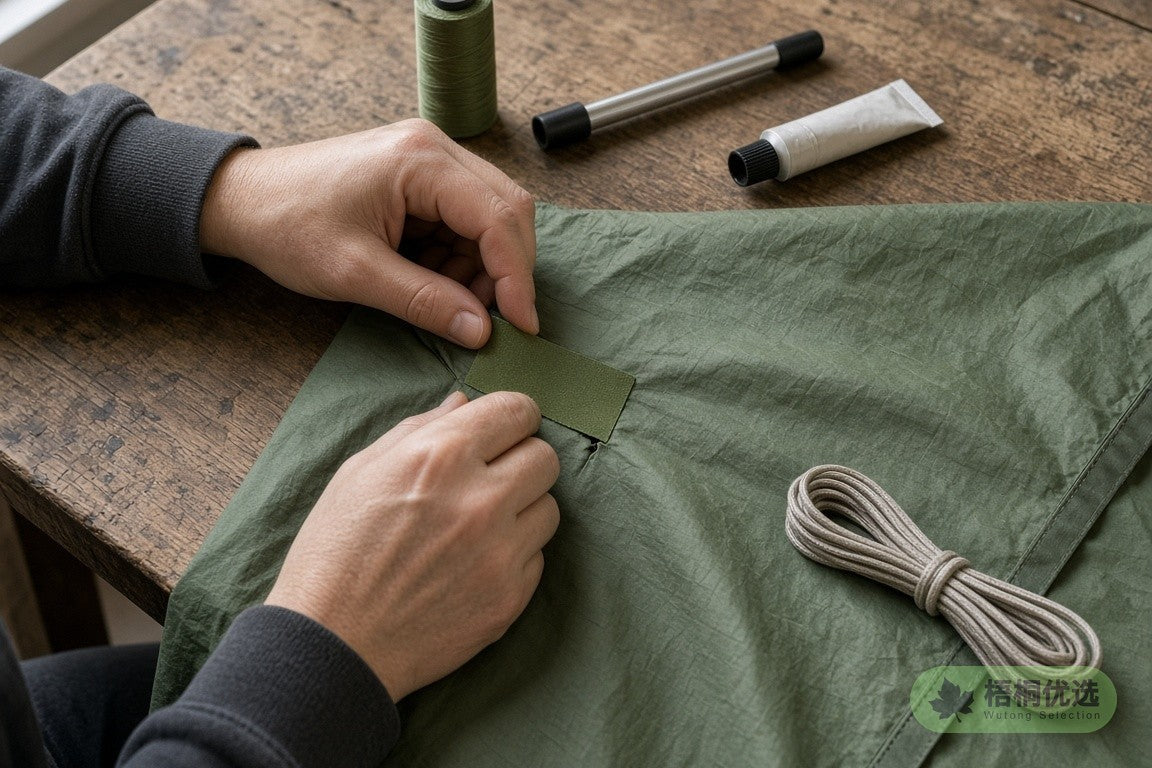
Every product page lists how to repair it. Write to us for spare parts.
Sleeping bags are listed by their Comfort rating, with the Limit next to it.
Not right for your trip? Read our return policy.